SAFE’s Center for Critical Minerals Strategy is the energy security group’s dedicated hub for examining how mineral supply chains shape national…
SAFE’s Center for Critical Minerals Strategy and Why It Matters for European Solar
SAFE’s Center for Critical Minerals Strategy is the energy security group’s dedicated hub for examining how mineral supply chains shape national…
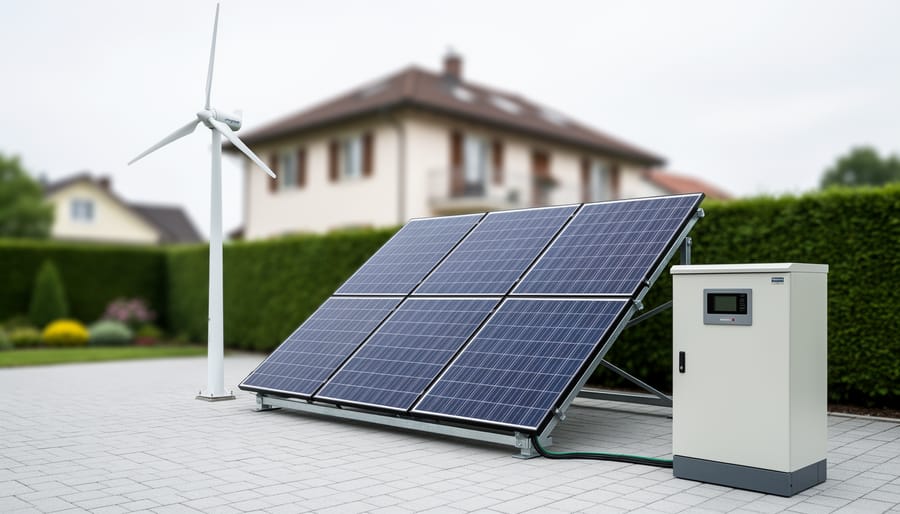
A wind solar hybrid system diagram is a comprehensive visual blueprint showing how wind turbines and solar panels integrate with batteries, inverters, and grid connections to deliver reliable renewable energy. Creating an accurate diagram typically takes 2-4 hours for a standard residential or small commercial installation and requires understanding both electrical architecture and European safety standards. The diagram serves as your primary communication tool with installers, engineers, and regulatory authorities, transforming abstract energy concepts into concrete implementation plans.
…
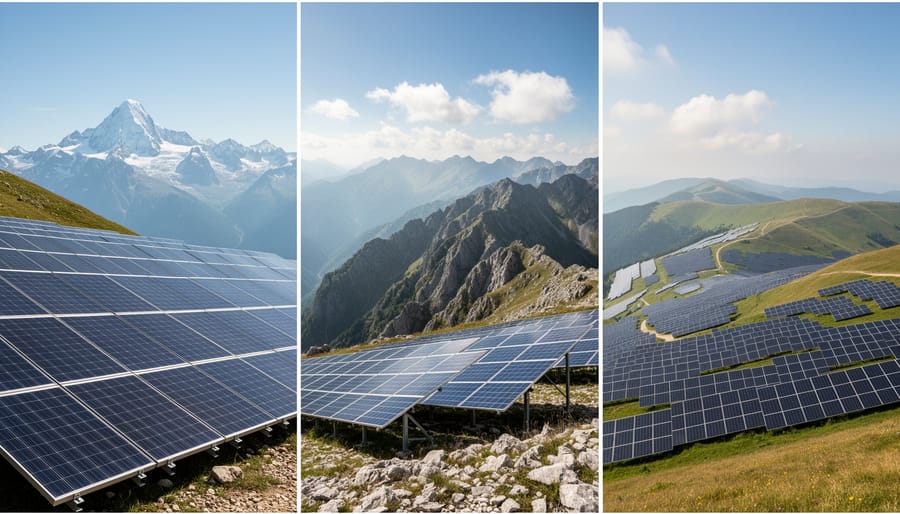
Europe’s three major mountain ranges, the Alps, the Pyrenees, and the Carpathians, present distinct opportunities and challenges for solar energy installations, each shaped by altitude, climate, and terrain characteristics specific to their geography. While mountainous regions traditionally face concerns about shading, snow load, and installation complexity, modern solar technology combined with strategic site selection has proven these locations can deliver reliable energy production with proper planning and regional expertise.
The Alps, spanning eight countries and reaching elevations above 4,800 meters, offer exceptional …

Brake dust bonds to wheels through a process of thermal fusion and chemical adhesion, creating a stubborn metallic film that ordinary cleaners cannot touch, while iron remover works by chelating ferrous particles and dissolving them at a molecular level. This bonding occurs when tiny iron particles from brake pads and rotors heat to extreme temperatures during braking, then embed themselves into wheel surfaces as they cool and oxidize. The result is a layer of rust-like contamination that resists soap, water, and elbow grease.
Iron removers solve this problem through a targeted chemical reaction. These specialized formulations …
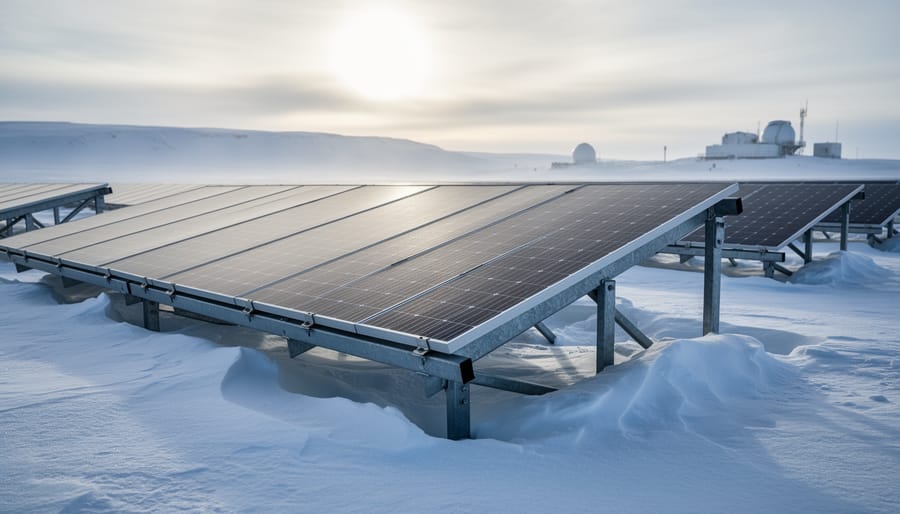
A polar region is any geographic area within the Arctic or Antarctic Circles, roughly above 66.5° latitude north or below 66.5° latitude south, characterized by extreme seasonal light variation, sub-zero temperatures for much of the year, and unique solar irradiance patterns. In solar technology, this definition matters because these zones present distinct challenges and opportunities that fundamentally change how photovoltaic systems are designed, installed, and operated.
Solar deployment in polar regions demands specialized …
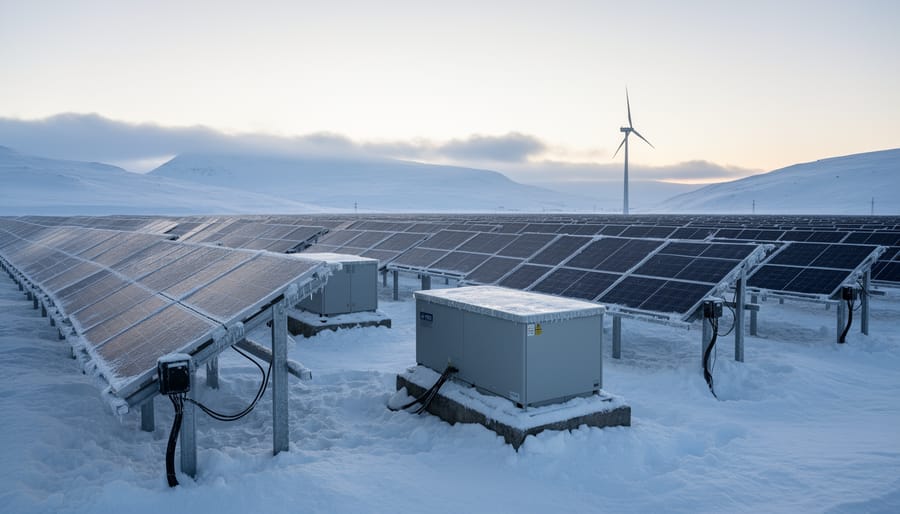
Solar 4 America represents a coordinated effort to deploy advanced photovoltaic systems specifically engineered for extreme cold, low-light conditions, and harsh weather typical of polar and sub-Arctic environments. These technologies tackle the unique challenges European Arctic operations face: panels that maintain efficiency at temperatures below -40°C, specialized mounting systems that withstand ice loads and hurricane-force winds, and energy storage solutions designed for extended periods of darkness. For European energy professionals, the initiative offers proven technical blueprints that translate directly to Scandinavia’s …
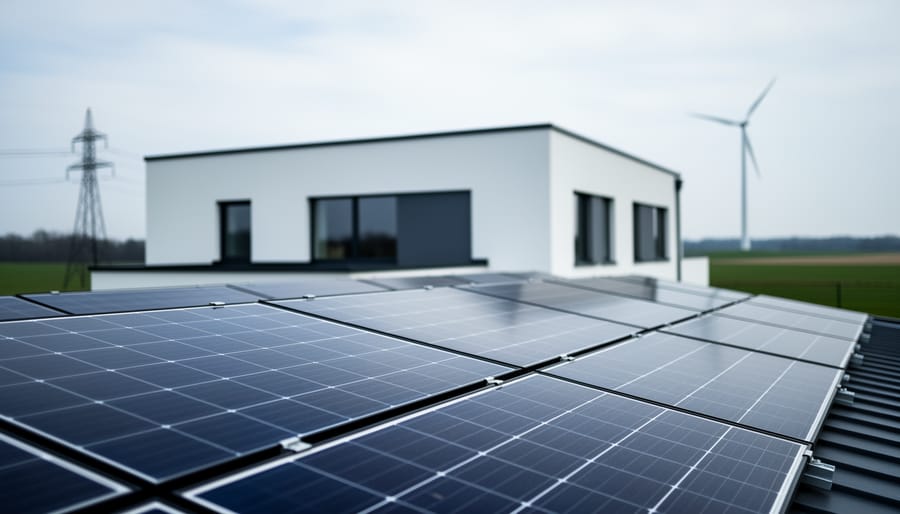
Renewable and Sustainable Energy Reviews stands as one of the most influential peer-reviewed journals in the renewable energy sector, offering researchers, industry professionals, and businesses comprehensive analyses of emerging technologies, policy frameworks, and implementation strategies that shape Europe’s energy transition. Published monthly on the ScienceDirect platform with volumes reaching 226 as of early 2026, this journal provides open-access research under the Creative Commons Attribution 4.0 International License, ensuring that critical findings on …
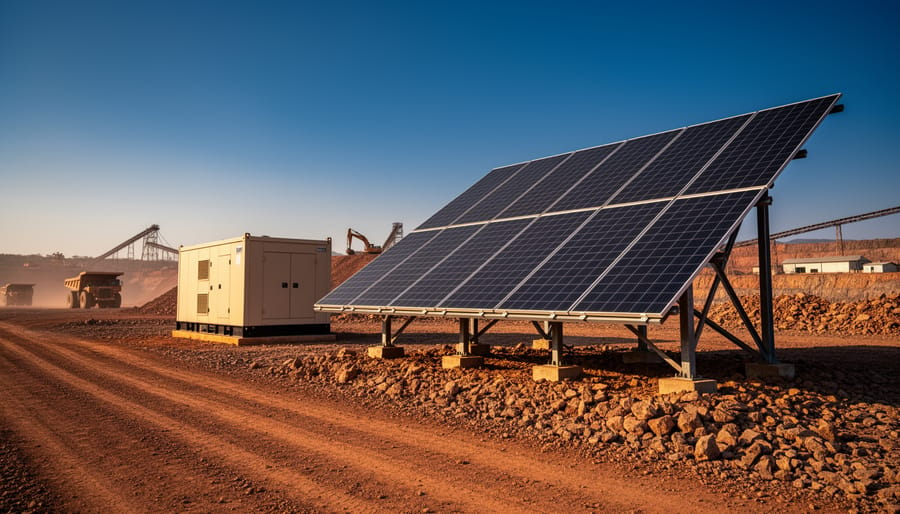
Solar energy in Zambia’s mining sector refers to the deployment of photovoltaic systems and concentrated solar technology to power extraction, processing, and auxiliary operations at mine sites, reducing reliance on diesel generators and unstable grid connections while cutting operational costs and carbon emissions.
This energy shift matters because Zambia’s mining industry, which accounts for roughly 70% of the country’s export earnings, faces persistent electricity supply challenges that directly …
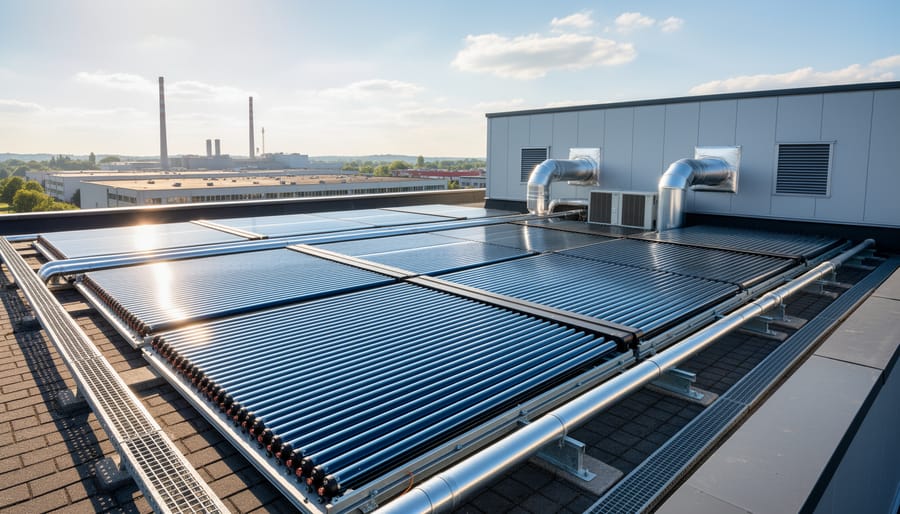
A solar cooling system uses solar energy to power refrigeration or air conditioning, converting heat from the sun into cooling capacity through thermal absorption or photovoltaic-driven compression. While it might seem counterintuitive to use the sun’s heat to cool buildings and industrial processes, this technology turns peak cooling demand into an opportunity: the strongest sunlight delivers the most cooling power precisely when it’s needed most.
For European industries operating energy-intensive facilities, cooling often represents a substantial operational cost. Metal processing plants, mining operations, food …

Costco’s solar firefly lights have captured attention across Europe in 2026, transforming gardens and outdoor spaces with their delicate, ambient glow that mimics nature’s own light show. These decorative solar fixtures combine the practicality of renewable energy with aesthetic appeal, offering homeowners an affordable entry point into solar-powered outdoor lighting without the complexity of permanent installations or wiring.
The appeal is straightforward: stake them into the ground, let the sun charge the integrated photovoltaic cells during the day, and watch as dusk triggers hundreds of micro-LED lights that dance …