Why Costco’s Solar Firefly Lights Are Flying Off Shelves Across Europe
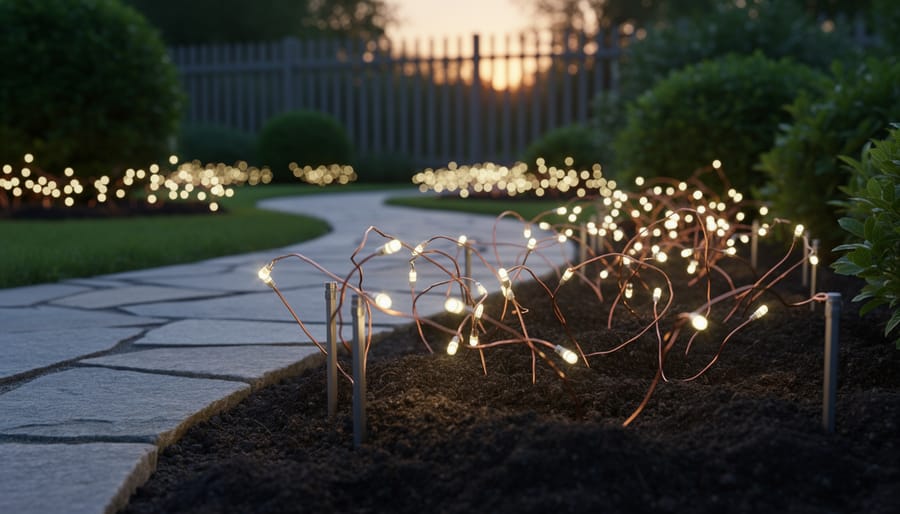
Costco’s solar firefly lights have captured attention across Europe in 2026, transforming gardens and outdoor spaces with their delicate, ambient glow that mimics nature’s own light show. These decorative solar fixtures combine the practicality of renewable energy with aesthetic appeal, offering homeowners an affordable entry point into solar-powered outdoor lighting without the complexity of permanent installations or wiring.
The appeal is straightforward: stake them into the ground, let the sun charge the integrated photovoltaic cells during the day, and watch as dusk triggers hundreds of micro-LED lights that dance along flexible copper wire strands. The firefly effect creates a magical atmosphere for patios, pathways, and garden beds while consuming zero grid electricity.
Yet the question persists whether these retail solar decorations deliver genuine value or simply capitalize on seasonal trends. European consumers increasingly demand products that balance sustainability with performance, particularly as solar technology becomes more sophisticated and accessible. Understanding the specifications, durability, and realistic expectations for these lights matters before committing to a purchase.
This article examines Costco’s solar firefly lights through a practical lens, evaluating their technical capabilities, comparing them against broader solar lighting options, and determining how they fit within Europe’s growing embrace of distributed solar solutions. Whether you’re seeking simple garden ambiance or exploring your first solar purchase, the following analysis provides the clarity needed to make an informed decision that aligns with both your aesthetic vision and sustainability goals.
What Makes Solar Firefly Lights Different
Traditional solar garden lights serve a clear purpose: they illuminate pathways and borders with steady, predictable light. Firefly solar lights take an entirely different approach, prioritizing atmosphere over pure function. The design philosophy centers on replicating the gentle, intermittent glow of fireflies on a summer evening, a soft flicker that suggests movement and life rather than static brightness.
This subtle flickering effect transforms outdoor spaces. Where conventional solar lights create defined pools of light, firefly-inspired designs produce a naturalistic ambiance that feels organic rather than installed. The warm white glow pulses gently, mimicking the bioluminescent patterns of actual fireflies. It’s lighting that enhances a space without dominating it, creating depth and visual interest across gardens, patios, and courtyards.
The distinction matters particularly in European outdoor design, where restraint and integration with natural surroundings carry cultural weight. Mediterranean courtyards, Northern European gardens, and French terraces share a common preference: lighting should complement architecture and landscape, not compete with it. The firefly approach aligns with this sensibility, offering illumination that feels discovered rather than imposed.
Traditional solar lights announce their presence with functional clarity. Firefly designs whisper instead. They create layers of light at ground level, drawing eyes across planted beds and between shrubs without harsh definition. This softer treatment suits European preferences for outdoor spaces that transition smoothly between cultivated and natural, where technology serves aesthetics rather than overwhelming them.
The trend reflects a broader shift toward lighting as experience. Homeowners and commercial property managers alike are choosing fixtures that create mood alongside visibility, recognizing that outdoor spaces benefit from the same atmospheric consideration given to interiors.
Inside the Costco Fresh Source Solar Firefly Package
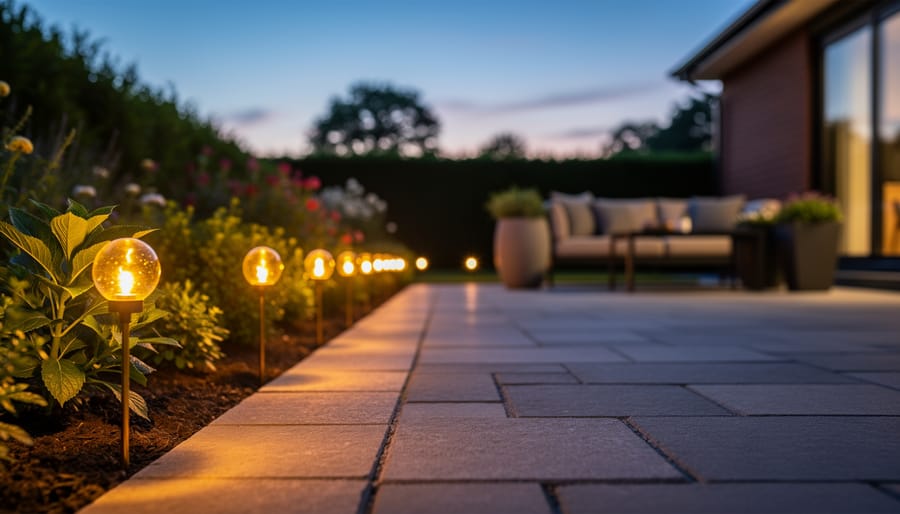
The Fresh Source Solar Firefly Landscape Lights package (item #1938098) delivers substantial value in its compact 4-pack configuration. Each set includes 8 olive-shaped warm white LED bulbs, bringing the total to 32 individual lights across the package. This modular design gives property owners genuine flexibility in how they distribute lighting across garden beds, pathways, or patio borders.
| Specification | Details |
|---|---|
| LED Configuration | 4 sets × 8 bulbs = 32 warm white LEDs |
| Battery System | 4× 2000mAh rechargeable lithium-ion (pre-installed) |
| Illumination Duration | 8-10 hours per full charge |
| Lighting Modes | Continuous On / Soft Flicker |
| Price | €14.99 (converted from $14.99) |
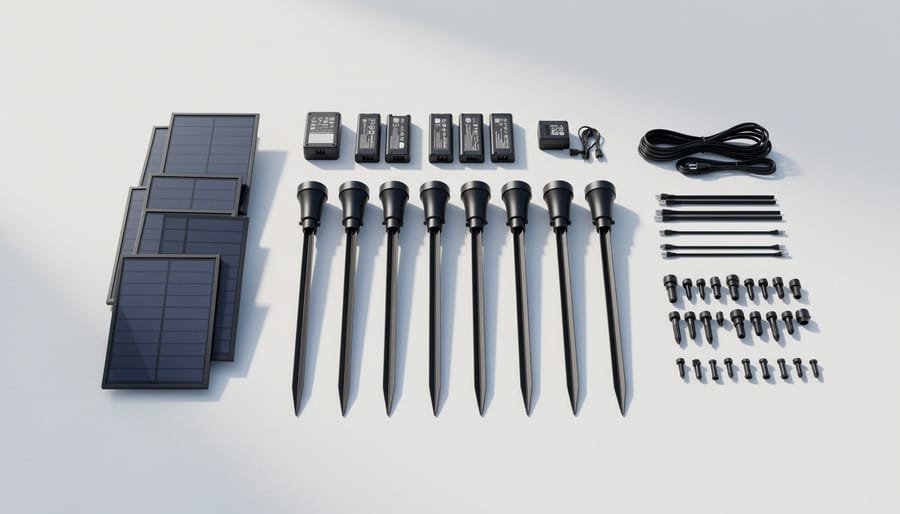
The package arrives complete with installation hardware: 4 solar panels, 20 ground stakes for securing the lights in soil, and 16 connecting tubes that allow you to arrange the bulbs at varying heights along each stake. The 2000mAh lithium-ion batteries come pre-installed in each set, eliminating the common frustration of initial setup.
Two operational modes distinguish this product from basic solar garden lights. Continuous On mode provides steady ambient illumination for consistent pathway marking or area lighting. The Soft Flicker mode replicates the gentle pulse of natural fireflies, creating a more organic, living quality to outdoor spaces. This dual functionality means the lights adapt to different occasions without requiring multiple product purchases.
At €14.99 for the complete 4-pack, you’re paying roughly €3.75 per 8-bulb set. That breaks down to under 50 cents per LED bulb, including solar panel, battery, and mounting hardware. For European consumers accustomed to higher solar product pricing, this represents a significant entry point into quality outdoor solar lighting. The 8-10 hour runtime means the lights activate at dusk and maintain illumination through most of the night during summer months, when extended outdoor living peaks across European climates.
The Technology Behind Firefly Solar Efficiency
The Fresh Source firefly lights pack efficiency that exceeds what most consumers expect from a €14.99 product, leveraging three key technological advances that mirror developments across the broader solar industry. Understanding these components reveals why these decorative units perform reliably even in regions where winter daylight stretches only six to eight hours.
The 2000mAh lithium-ion batteries represent the foundation of consistent performance. Modern lithium-ion cells hold roughly three times the energy density of older nickel-metal hydride batteries that dominated early solar garden lights, which explains the 8-10 hour runtime from a single charge. These batteries also tolerate the discharge-recharge cycles better, typically surviving 500-800 cycles before capacity drops noticeably, translating to two to three years of regular use. The chemistry handles cold European winters more gracefully than older technologies, maintaining 70-80% capacity even when temperatures hover near freezing.
Solar panel efficiency determines whether the system recharges adequately during short winter days or overcast stretches common across much of northern Europe. Contemporary panels in consumer solar products have reached 18-22% efficiency, converting nearly one-fifth of available sunlight into stored energy. This threshold matters tremendously for solar performance in weather conditions that shift rapidly, a partly cloudy afternoon in Stuttgart can still deliver sufficient charge if panels capture diffuse light effectively.
LED technology completes the efficiency triangle. The 32 warm white LEDs across each four-pack consume roughly 0.5 watts total when operating, drawing minimal current from the battery reservoir. This low consumption rate allows the stored energy to stretch across the full evening, whereas older incandescent decorative lights drained batteries in three to four hours.
These same principles, efficient capture, effective storage, optimized consumption, scale from decorative garden lights to commercial rooftop arrays. The firefly lights demonstrate how solar technology maturation benefits both residential aesthetics and industrial energy strategies across European markets.
Practical Applications for European Properties
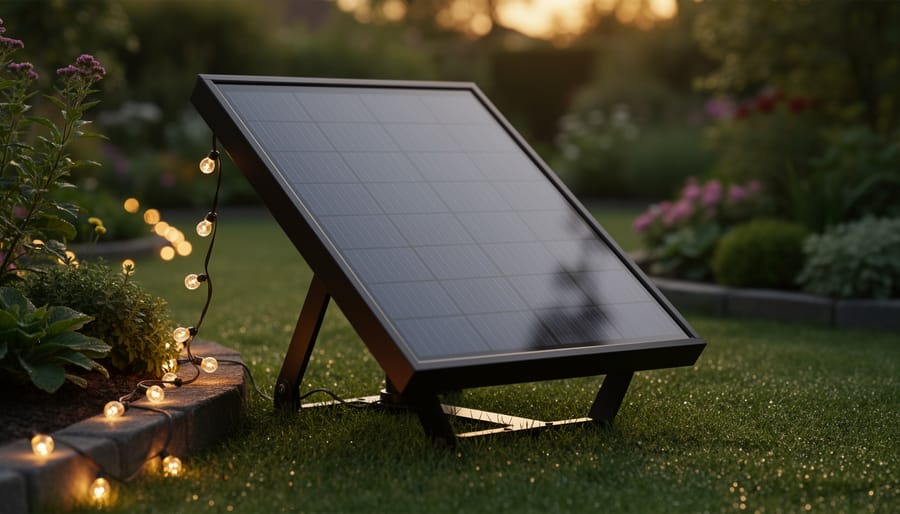
European homeowners have discovered the firefly lights work brilliantly along gravel pathways and flower bed borders, where the soft flicker creates safe navigation zones without the harshness of traditional spotlights. The 8-bulb configuration per set allows for flexible spacing, place them 30-40cm apart for continuous illumination or spread them wider for accent highlights. Many users position the solar panels in south-facing borders while running the connecting tubes to shadier planting areas, maximizing both charging efficiency and aesthetic placement.
Commercial properties are deploying these lights differently. Restaurants with outdoor seating areas use the flicker mode to create intimate dining atmospheres, while hotels place continuous-mode sets along courtyard walkways for guest safety. The €14.99 price point makes large-scale installations financially viable for businesses exploring solar outdoor lighting ideas without committing to expensive hardwired systems.
Climate considerations matter across Europe’s diverse regions:
- Southern Europe (Spain, Italy, Greece): panels charge efficiently year-round; position for summer shade protection to extend battery life
- Central Europe (France, Germany, Austria): expect reduced winter runtime (5-6 hours) but reliable performance March through October
- Northern Europe (UK, Netherlands, Scandinavia): prioritize unobstructed south-facing panel placement; consider seasonal repositioning for optimal sun exposure
- Alpine regions: snow reflection can boost charging, but ensure panels stay clear of accumulation
The versatility extends to temporary installations. Event venues use the lights for seasonal outdoor functions, while property managers deploy them during showing periods to enhance curb appeal. Because the sets integrate naturally with existing garden solar lighting they complement rather than replace established outdoor illumination schemes, allowing property owners to layer lighting effects for different occasions.
Installation and Maintenance Considerations
Getting the most from your Fresh Source solar lights starts with choosing the right location. Position each solar panel in a spot that receives at least six to eight hours of direct sunlight daily, south-facing exposure works best across most European latitudes. Avoid placing panels under tree canopies, building overhangs, or near structures that cast afternoon shadows. Even partial shading can significantly reduce charging capacity and shorten nightly runtime.
Spacing the four light sets depends on your intended effect. For pathway definition, place stakes roughly one meter apart along borders. For atmospheric garden accents, spread them wider, two to three meters, to create pockets of flickering light that feel more organic than uniform. The connecting tubes let you adjust each bulb’s height and angle, so experiment until the effect matches your vision.
Seasonal adjustments matter in northern European climates. During winter months when daylight hours shrink, you might notice reduced illumination duration. Angle panels more steeply during these periods to capture lower sun positions, or temporarily relocate sets to sunnier spots. The trade-off is simply shorter operating hours rather than complete failure.
Basic maintenance takes minutes. Wipe solar panels monthly with a damp cloth to remove dust, pollen, and grime that block sunlight absorption, this simple step can maximize solar charging efficiency. The pre-installed 2000mAh lithium-ion batteries should provide reliable service for 18 to 24 months before requiring replacement. Quality solar lighting delivers years of consistent performance with minimal intervention, making it a practical long-term solution rather than a seasonal novelty.
How Firefly Solar Fits Into Broader Energy Strategies
Decorative solar lights might seem trivial compared to rooftop panels or commercial arrays, but they play a surprising role in normalizing solar technology and building confidence in renewable energy systems. When a homeowner installs firefly lights that reliably illuminate their garden night after night, they’re witnessing solar efficiency firsthand. That direct experience often triggers broader thinking about energy independence.
Small-scale solar applications like garden lighting reduce grid dependence in modest but measurable ways. A property using solar-powered outdoor lighting eliminates the electrical load those fixtures would otherwise draw, cutting cumulative energy costs over time. Multiply this across thousands of European properties, and the collective impact becomes significant. These incremental reductions contribute directly to national sustainability targets and demonstrate that energy transition doesn’t require massive upfront investment.
The technology validating firefly lights, efficient photovoltaic cells, lithium-ion storage, LED efficiency, scales seamlessly to larger installations. The same principles powering eight LED bulbs from a compact panel can power entire buildings when applied at scale. This scalability matters because it proves solar reliability across contexts, from decorative accents to industrial operations.
Companies like INOX Solar bridge this spectrum, supporting projects ranging from residential garden installations to comprehensive commercial energy systems across European markets. Whether a client starts with outdoor lighting or launches directly into large-scale infrastructure, the underlying solar technology remains consistent. The comprehensive project management approach applies equally whether designing ambient lighting for hospitality venues or engineering photovoltaic arrays for manufacturing facilities.
This continuity shows that solar adoption isn’t binary. Each small application builds familiarity, proves reliability, and lays groundwork for more ambitious energy strategies. Firefly lights illuminate pathways in both senses.
The popularity of Costco’s Fresh Source Solar Firefly Lights at €14.99 signals something bigger than a seasonal decor trend. When a product appears at 454 locations and sells briskly, it demonstrates that solar technology has crossed a crucial threshold: it’s now simple, reliable, and affordable enough for mass-market adoption across Europe.
These lights represent the democratization of solar energy. The same photovoltaic principles and battery storage technology that power commercial installations now illuminate garden pathways for the price of a restaurant meal. That accessibility matters. Every homeowner who installs solar lighting gains firsthand experience with how solar panels charge, how batteries store energy, and how efficiently LEDs convert that stored power into light. They learn solar works, even in European climates.
This shift from novelty to normality creates momentum for larger solar investments. When decorative lighting proves reliable, commercial and residential solar installations become less intimidating. INOX Solar supports this entire spectrum, from helping businesses evaluate site-specific solar potential to managing comprehensive energy projects across European markets. Whether your goal is ambient garden lighting or grid independence, the underlying technology scales. The firefly lights prove solar belongs everywhere.
Leave a Reply