How European Solar Companies Build Authority Through Strategic Link Partnerships

Target resource pages on university renewable energy programs, municipal sustainability initiatives, and European environmental NGOs that actively link to solar industry content. These authoritative domains provide contextual relevance while building topical authority across the continent’s diverse regulatory landscape.
Identify industry association directories and certification bodies like Solar Power Europe, national solar trade organizations, and green building councils that maintain member listings and resource sections. Your niche edit strategy should prioritize these high-trust domains that already link to similar commercial solar providers.
Secure placements within European energy news publications, sustainability blogs, and regional business journals covering renewable energy adoption. These editorial sites consistently produce content about solar installations, policy changes, and industry innovations, creating natural opportunities for contextual backlinks that drive both authority and qualified traffic.
Leverage case study opportunities with commercial clients, architectural firms, and construction companies that feature completed solar projects on their portfolios. These co-marketing arrangements generate authentic backlinks while demonstrating real-world applications across residential and commercial segments, particularly valuable in markets with strict advertising regulations.
Focus on local chamber of commerce websites, regional economic development agencies, and smart city initiatives throughout Europe that promote sustainable businesses within their communities. These geographically relevant links strengthen local search performance while building credibility with homeowners and businesses investigating solar solutions in their specific markets.
Understanding Link Building in the Solar Energy Sector
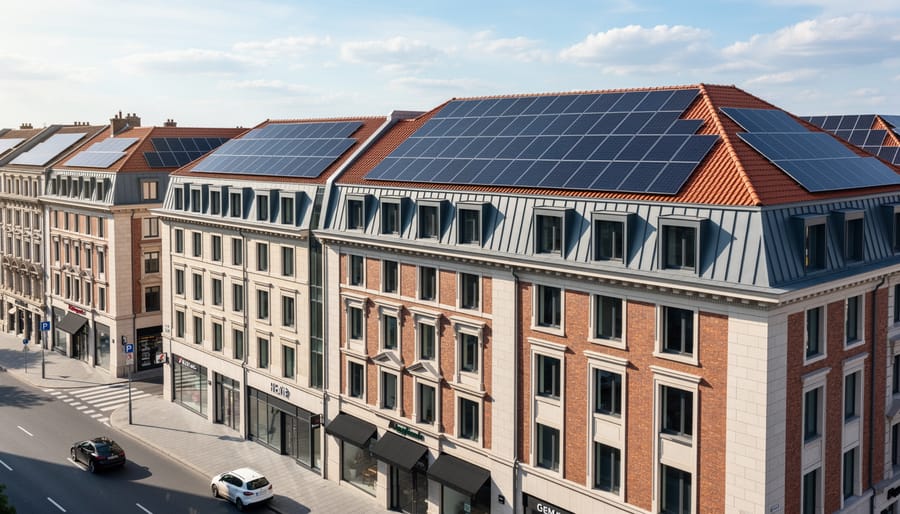
Why Solar Companies Need Industry-Specific Link Strategies
The European solar industry faces distinctive link building challenges that demand specialized strategies far beyond conventional digital marketing approaches. Unlike consumer products with straightforward value propositions, solar energy solutions involve substantial technical complexity requiring careful education of potential customers about photovoltaic efficiency, installation processes, and long-term sustainability benefits.
Regulatory considerations add another layer of complexity. European markets operate under diverse national incentive programs, grid connection requirements, and building codes that vary significantly across member states. Link building strategies must therefore demonstrate authority across both technical innovation and regulatory compliance to establish credibility.
The extended sales cycle in solar energy further complicates digital outreach efforts. Residential customers typically research for months before committing to installations, while commercial and industrial clients may evaluate options for over a year. This extended decision-making process requires link portfolios that build sustained trust through educational content, case studies, and authoritative partnerships rather than quick conversions.
Successfully navigating these challenges means earning backlinks from sources that resonate with both residential homeowners seeking energy independence and business decision-makers evaluating commercial-scale installations. The strategy must bridge technical discussions about solar panel innovations with accessible explanations of financial returns and environmental impact. Generic link building tactics simply cannot address the dual audience sophistication required in this sector, where trust-building through industry-specific authority determines both search visibility and conversion success.
The European Solar Landscape and Link Opportunities
Europe’s solar landscape presents a uniquely fragmented yet interconnected market, creating distinctive link building opportunities that differ substantially from other global regions. With Germany leading in installed capacity, Spain’s solar boom accelerating, and emerging markets like Poland and Romania gaining momentum, the continent’s regional variations demand localized digital strategies.
This diversity stems from differing regulatory frameworks, incentive structures, and climate conditions across member states. For instance, Northern European markets prioritize efficiency and innovation in lower-light conditions, while Mediterranean countries capitalize on abundant sunshine hours. These regional characteristics naturally create specialized niches for content and link building.
The European solar sector’s maturity level also varies considerably—from established markets with sophisticated installer networks to developing regions experiencing rapid growth. This creates opportunities to target everything from advanced research institutions and sustainability think tanks to local trade associations and emerging industry publications.
Furthermore, Europe’s strong emphasis on sustainability and renewable energy targets under the European Green Deal generates extensive policy discussions, academic research, and industry commentary. This policy-driven environment produces numerous authoritative platforms seeking credible solar industry insights, making strategic link building both achievable and valuable for establishing market authority across residential, commercial, and industrial segments.
High-Value Link Building Niches for Solar Technology Providers

Sustainability and Environmental Organizations
Environmental nonprofits and climate action groups represent exceptional link building partners for European solar companies. These organizations share fundamental values around renewable energy adoption and climate mitigation, creating authentic collaboration opportunities that benefit both parties while building authoritative backlinks.
Sustainability platforms actively seek credible case studies demonstrating real-world renewable energy implementation. Solar companies can contribute detailed project analyses showcasing installation outcomes, energy generation data, and carbon reduction metrics. European environmental networks particularly value localized impact stories that demonstrate regional clean energy progress. By providing comprehensive data from residential and commercial installations, solar businesses establish themselves as knowledgeable contributors while earning valuable links from high-authority environmental domains.
Expert contributions offer another strategic avenue. Climate action websites regularly publish educational content about renewable technologies, energy transitions, and sustainable manufacturing practices. Solar professionals can author guest articles explaining photovoltaic innovations, efficiency improvements, or policy developments affecting European markets. These contributions position companies as thought leaders while generating relevant backlinks.
Collaborative content initiatives create mutual value. Partnering with environmental organizations on webinars, research reports, or educational campaigns expands reach for both entities. Joint sustainability guides, carbon calculator tools, or renewable energy roadmaps attract natural links from media outlets, educational institutions, and industry publications.
Focus partnerships on organizations with strong domain authority and genuine environmental missions. Authentic alignment between solar innovation and conservation goals ensures lasting relationships that transcend transactional link exchanges, building credibility throughout Europe’s interconnected sustainability community.
Construction and Architecture Publications
Construction and Architecture Publications represent a particularly valuable link building opportunity for European solar companies, as these platforms naturally intersect with sustainable building practices and renewable energy integration. Industry publications focusing on green architecture, building design, and construction innovation actively seek content about solar technology implementation in both residential and commercial projects.
Technical articles demonstrating how solar systems integrate with contemporary architectural designs provide substantial value to these publications. Content exploring building-integrated photovoltaics (BIPV), solar roof specifications, or energy-efficient design principles resonates with architects, engineers, and construction professionals who influence project specifications. These pieces establish authority while creating contextually relevant backlinks.
Project showcases offer another compelling angle, particularly when highlighting innovative European installations. Case studies detailing solar integration in commercial buildings, housing developments, or heritage property renovations demonstrate practical applications and problem-solving approaches. Publications appreciate visual content that illustrates successful collaboration between solar providers and construction teams, emphasizing sustainability achievements and efficiency gains.
Specification guides addressing technical considerations serve architects and contractors directly. Content covering structural requirements, electrical integration, planning permissions, and performance metrics helps professionals navigate solar adoption complexities. This educational approach positions solar companies as trusted partners rather than mere suppliers.
European construction media particularly value content emphasizing regional sustainability standards, building regulations, and innovation trends. Contributing expert insights about emerging technologies, installation best practices, or regulatory compliance creates natural opportunities for authoritative backlinks while demonstrating comprehensive project support capabilities throughout the solar implementation journey.
Energy Industry News and Analysis Platforms
Establishing relationships with leading energy industry news and analysis platforms creates powerful link building opportunities while positioning your solar company as a trusted authority. Publications like PV Magazine Europe, Solar Power Europe, and Renewable Energy World actively seek expert contributions on market trends, technological advancements, and policy developments affecting the sector.
Contributing thought leadership articles to these platforms demonstrates your expertise in European solar manufacturing and installation practices. Focus on sharing market analysis, innovation insights, and data-driven perspectives that educate their professional readership. Industry analysts and renewable energy journalists frequently reference authoritative sources for their reports, creating natural backlink opportunities when your company provides valuable research or commentary.
Energy sector publications welcome case studies showcasing successful residential and commercial installations, particularly those highlighting efficiency improvements and sustainability outcomes. Offer expert quotes on emerging technologies like bifacial panels, energy storage integration, or smart grid compatibility. These collaborations not only generate high-quality backlinks but also enhance your reputation among homeowners, businesses, and industry professionals researching solar solutions. Regular engagement with these platforms through webinars, podcast interviews, and contributed articles establishes long-term partnerships that benefit both link building strategies and brand visibility across European markets.
Government and Regulatory Resources
Government and regulatory resources represent some of the most authoritative link-building opportunities available to European solar companies. Being referenced on official government renewable energy portals, subsidy information pages, and regulatory compliance databases signals exceptional trustworthiness to search engines and potential customers alike.
Across European markets, national and regional governments maintain comprehensive directories of approved solar installers, energy efficiency programs, and subsidy application resources. Securing placement in these official listings requires meeting strict quality standards and regulatory compliance, making these links particularly valuable for demonstrating legitimacy.
Key opportunities include renewable energy incentive programs operated by ministries of environment and energy, regional development agencies promoting sustainability initiatives, and pan-European platforms coordinating clean energy transitions. Many countries maintain publicly accessible databases where homeowners and businesses can find certified solar providers eligible for government funding programs.
The exceptional authority gained from government resource links extends beyond search engine optimization. These placements directly connect solar companies with highly motivated prospects actively researching financial support options, creating qualified lead generation alongside link equity. For businesses serving multiple European markets, systematic engagement with regulatory resources across jurisdictions builds comprehensive visibility while reinforcing commitment to transparency and compliance standards that resonate strongly with both search algorithms and discerning customers seeking reliable solar partners.
Business and Industrial Efficiency Networks
Business-to-business link building opportunities flourish within industrial efficiency networks where commercial decision-makers actively seek operational improvements. Manufacturing publications and industry-specific forums provide excellent platforms for sharing case studies demonstrating measurable energy savings and return on investment from solar installations.
Industrial facilities across Europe increasingly prioritize sustainability alongside cost reduction, creating natural alignment for content showcasing commercial solar applications. Publications covering supply chain optimization, factory management, and production efficiency welcome expert contributions that demonstrate how solar integration reduces operational expenses while meeting environmental targets.
Commercial real estate platforms represent particularly valuable link building channels, as property developers and facility managers evaluate renewable energy systems for new constructions and retrofits. Content highlighting energy independence, tenant attraction benefits, and property value enhancement resonates strongly within these communities.
Manufacturing associations and industrial chambers of commerce maintain active online presences where solar expertise adds genuine value. Contributing technical insights about solar mounting solutions for complex industrial rooftops or sharing efficiency calculations for large-scale installations positions your brand as a knowledgeable partner.
Trade show directories, B2B procurement platforms, and supplier networks also offer link opportunities when paired with comprehensive project support information. Focus on demonstrating innovation in commercial applications while emphasizing long-term efficiency gains that appeal to budget-conscious business stakeholders throughout Europe.
Educational Institutions and Research Centers
European universities and research institutions represent valuable link building opportunities for solar companies seeking authoritative backlinks. Technical universities across Germany, the Netherlands, and Scandinavia frequently publish renewable energy research, creating natural partnership possibilities through collaborative studies, technical documentation, and educational resources.
Research centers like Fraunhofer ISE and IMEC actively engage with innovation networks, offering opportunities to contribute to white papers, case studies, and technical reports. These collaborations enhance credibility while providing valuable educational content for broader audiences.
Consider approaching engineering departments that focus on photovoltaic technology, energy storage, and grid integration. Many institutions welcome industry partners for student projects, thesis sponsorships, and internship programs, which naturally generate quality backlinks through academic publications and departmental websites.
Educational resource development presents another strategic avenue. Contributing to course materials, hosting webinars, or sponsoring renewable energy competitions at technical colleges establishes your company as a knowledge leader. These initiatives typically result in sustained backlinks from respected educational domains with high authority scores, significantly boosting your search visibility while supporting Europe’s sustainability education goals.
Home Improvement and Property Development Communities
The residential solar market presents exceptional link building opportunities through home improvement and property development communities across Europe. DIY platforms like self-build forums, renovation blogs, and homeowner communities actively seek content about renewable energy installations that enhance property value and reduce energy costs. Contributing expert guides on topics such as roof assessment for solar panels, planning permission requirements in different European countries, and calculating return on investment creates natural backlink opportunities while establishing authority.
Property development websites and real estate platforms increasingly recognize solar installations as value-adding features. Collaborating with property valuation resources to provide data on how solar systems impact home resale values addresses homeowner concerns directly. Home renovation magazines and online communities welcome educational content about integrating solar solutions into modernization projects, particularly when emphasizing sustainability and long-term efficiency gains.
European homeowner associations and neighborhood forums offer grassroots link building potential. Sharing practical case studies demonstrating comprehensive project support from initial consultation through installation resonates with residential audiences. Focus content on addressing common concerns: aesthetic integration, maintenance requirements, and local incentive programs. These platforms value innovation-focused resources that empower homeowners to make informed decisions about solar adoption while contributing to Europe’s broader renewable energy transition.
Financial and Investment Publications
Financial and investment publications represent a powerful link building opportunity for European solar companies seeking to establish credibility with commercial clients. These platforms attract decision-makers researching solar ROI and long-term sustainability investments. Contributing detailed financial analyses that demonstrate payback periods, tax incentives, and reduced operational costs helps position your expertise while earning authoritative backlinks.
Investment-focused publications covering renewable energy transitions actively seek case studies showcasing successful solar implementations across various European markets. By sharing concrete data on energy savings, government subsidies, and financing models specific to different countries, you create valuable content that naturally attracts links from financial advisors and commercial property managers.
Business journals and economic research platforms particularly value comprehensive case studies that outline solar technology value propositions for industrial applications. Highlighting efficiency gains, grid independence benefits, and sustainability credentials resonates with CFOs and procurement teams evaluating renewable energy investments. These publications offer dual advantages: reaching potential commercial clients while building domain authority through high-quality backlinks from respected financial sources within Europe’s evolving clean energy landscape.
Niche Research Methodology for Solar Link Building
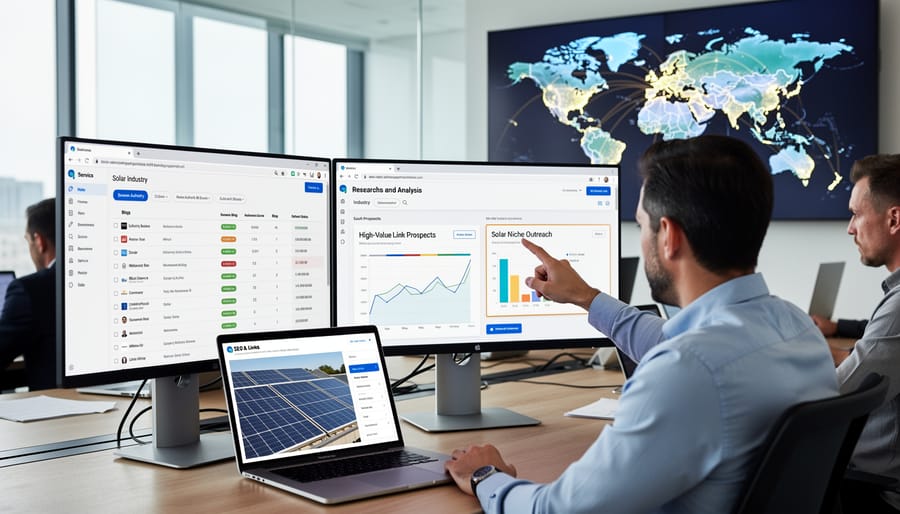
Analyzing Your Solar Technology Offerings and Audience
Before launching targeted link building campaigns, you need a clear understanding of what your solar company offers and who benefits from those solutions. Start by creating a detailed inventory of your products—whether you manufacture photovoltaic panels, energy storage batteries, inverters, or mounting systems. Each product category opens doors to distinct niche opportunities within the European market.
Map your services alongside these products. If you provide research and development expertise, you’ll connect with innovation-focused publications and academic platforms. Logistics and supply chain capabilities align with trade and distribution networks, while project management services appeal to construction and commercial development audiences.
Understanding your audience segments is equally vital for effective link building. Residential homeowners typically seek educational content about installation costs, efficiency ratings, and government incentives. They respond to local community resources, home improvement platforms, and sustainability blogs. Commercial and industrial clients, however, prioritize case studies, technical specifications, and ROI calculations. They engage with industry associations, B2B directories, and sector-specific publications.
Create a simple matching framework: list your offerings in one column and corresponding audience needs in another. A battery manufacturer targeting commercial clients might focus on energy management forums and sustainability reporting platforms. Meanwhile, residential panel installers should pursue local business directories and homeowner education sites.
This strategic mapping ensures your link building efforts reach audiences genuinely interested in your solar technology solutions, maximizing both relevance and conversion potential across Europe’s diverse market segments.
Competitive Niche Analysis in the European Market
Understanding where competitors earn their most valuable backlinks reveals untapped opportunities within the European solar ecosystem. Start by analyzing competitor backlink profiles using tools like Ahrefs, SEMrush, or Moz to identify which domains link to multiple solar companies. These recurring sources often indicate industry-standard link opportunities, but the real value lies in discovering gaps where competitors haven’t yet established presence.
Focus your research on identifying quality over quantity. Export competitor backlinks and filter by domain authority, relevance, and geographic focus. Pay particular attention to country-specific energy publications, regional sustainability blogs, and local business directories that competitors may have overlooked in less prominent European markets like Portugal, Greece, or Eastern European nations.
Look for emerging niches where competition remains low but interest is growing. Monitor industry forums, trade association websites, and renewable energy databases for unlinked brand mentions. These represent immediate link reclamation opportunities. Additionally, examine which educational institutions, research centers, and innovation hubs in the solar sector lack comprehensive resource partnerships.
The most underutilized niches often exist at the intersection of solar technology and complementary industries: smart home integration platforms, electric vehicle charging networks, sustainable architecture resources, and energy efficiency certification bodies. By mapping competitor coverage across these sectors, you’ll identify white space opportunities where your expertise can fill genuine information gaps while building authoritative backlinks that strengthen your market position.
Evaluating Niche Quality and Relevance
Identifying high-quality link building niches requires a strategic evaluation framework that balances authority with relevance. Start by assessing domain authority metrics—target sites with DA scores above 30, though contextual relevance often outweighs raw numbers. Examine whether the audience genuinely aligns with your solar offerings; a renewable energy blog serving European homeowners holds more value than a generic business directory.
Content quality reveals sustainability potential. Review recent articles for depth, accuracy, and engagement indicators like comments or social shares. Sites publishing thin, keyword-stuffed content offer minimal long-term value. European focus matters significantly—platforms addressing EU regulations, regional incentives, or local market conditions demonstrate geographical alignment that strengthens your link profile’s relevance.
Evaluate partnership potential by considering update frequency and editorial responsiveness. Established sites with consistent publishing schedules and clear contribution guidelines signal professionalism and reliability. Look for innovation in their approach to sustainability topics, showing thought leadership rather than recycled information.
Red flags include link farms offering guaranteed placements across multiple unrelated sites, excessive sponsored content without disclosure, domains with suspicious traffic patterns, and sites accepting any topic regardless of relevance. Avoid platforms with broken links, outdated information about solar technology, or poor user experience. Sites demanding payment without editorial review or displaying spammy advertising also compromise your link profile’s integrity. Quality niches foster genuine connections within Europe’s growing solar ecosystem, supporting efficiency in your digital strategy while building authentic authority.
Building Relationships Within Your Chosen Niches

Creating Link-Worthy Content for Solar Niches
Creating content that naturally attracts backlinks requires a strategic focus on educational value and technical credibility. In the European solar industry, certain content types consistently earn organic links from authoritative sources.
Technical guides addressing specific installation challenges perform exceptionally well. Consider producing comprehensive resources on topics like solar integration with heat pumps, grid connection procedures across different European markets, or energy storage optimization. These guides should combine accessible explanations with technical accuracy, making them valuable references for both industry professionals and informed consumers exploring solar solutions.
Case studies showcasing real-world project outcomes generate significant link interest. Document residential installations demonstrating energy independence achievements, or commercial projects highlighting sustainability milestones and efficiency gains. Include measurable results, implementation timelines, and location-specific challenges overcome during installation. European audiences particularly value case studies that reflect regional climate conditions and regulatory frameworks.
Innovation announcements and research findings position your organization as a knowledge leader. Share insights about emerging photovoltaic technologies, efficiency improvements, or sustainability initiatives. Original research comparing performance metrics across European regions or analyzing long-term energy production data provides genuinely linkable content that media outlets and industry publications naturally reference.
Project showcases featuring visually compelling installations attract links from design, architecture, and sustainability websites. High-quality imagery combined with technical specifications and environmental impact data creates comprehensive resources that serve multiple audiences. Focus on projects demonstrating innovation in application, whether residential rooftop systems achieving remarkable efficiency or large-scale commercial installations supporting corporate sustainability goals.
Always prioritize accuracy over promotional messaging. Content that educates and informs naturally earns authoritative backlinks, strengthening your overall link building strategy while establishing industry credibility.
Outreach Strategies That Respect Industry Standards
Successful link building in the European solar sector hinges on establishing genuine partnerships rather than simply requesting backlinks. Start by identifying contact points at relevant organizations—look for content managers, sustainability officers, or editorial teams who value expertise in renewable energy innovation and efficiency.
When reaching out, lead with value. Offer to contribute original research data, case studies from European installations, or expert commentary on emerging solar technologies. Many industry publications and association websites actively seek knowledgeable contributors who can provide fresh perspectives on market trends, policy impacts, or technical advancements.
Propose collaborative content opportunities that benefit both parties. This might include co-authored whitepapers on regional sustainability initiatives, joint webinars addressing specific European market challenges, or data partnerships that enhance existing resources. These approaches create meaningful exchanges rather than one-sided requests.
Build relationships gradually through consistent engagement. Comment thoughtfully on industry articles, share relevant content from potential partners, and participate in European solar forums and events. When you eventually suggest a link placement or collaboration, you’re already a recognized contributor to the broader conversation.
Remember that European markets value transparency and long-term thinking. Frame your outreach around shared goals like advancing solar adoption, supporting energy independence, or contributing to climate targets. This approach resonates particularly well with educational institutions, research bodies, and advocacy organizations that prioritize mission alignment over transactional relationships. Authenticity and patience consistently outperform volume-based outreach tactics.
Strategic link building within specialized European solar industry niches represents far more than an SEO tactic—it’s a powerful method for establishing meaningful connections that strengthen market position and accelerate the adoption of solar technology across the continent. For INOX Solar, targeting carefully researched niches creates pathways to reach decision-makers, influence conversations around sustainability, and demonstrate the innovation that defines our comprehensive project support approach.
By focusing on relationship-driven link building across sectors like residential solar education platforms, commercial energy efficiency networks, industrial sustainability forums, and regional renewable energy associations, solar companies position themselves as trusted contributors rather than mere vendors. This approach builds credibility with European audiences who value thorough research, technical accuracy, and genuine commitment to the energy transition.
The systematic methodology outlined throughout this article—from competitive analysis and niche identification to content alignment and relationship cultivation—provides a sustainable framework that respects both search engine guidelines and the intelligence of your audience. When link building efforts reflect company values of innovation, efficiency, and comprehensive support, they naturally attract qualified traffic while strengthening brand authority.
As European markets continue embracing solar solutions, companies that invest in strategic, value-focused link building will find themselves better positioned to guide homeowners, businesses, and industries toward informed solar adoption decisions. The key lies in maintaining consistency, measuring impact, and viewing each backlink opportunity as a chance to contribute meaningfully to the broader renewable energy conversation shaping Europe’s sustainable future.
Leave a Reply