SAFE’s Center for Critical Minerals Strategy and Why It Matters for European Solar
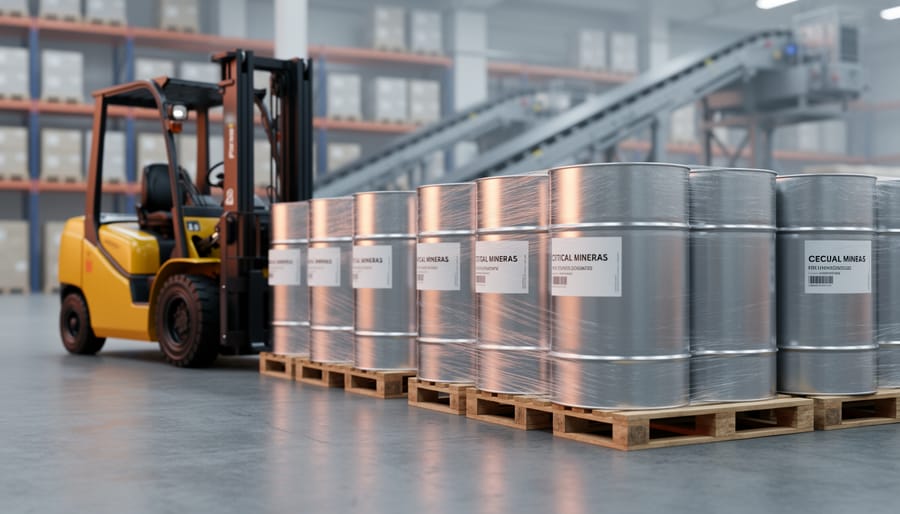
SAFE’s Center for Critical Minerals Strategy is the energy security group’s dedicated hub for examining how mineral supply chains shape national competitiveness and security. It recently held a briefing and panel discussion on exactly that question, and it is launching a new issue brief titled “Retain, Recycle, Secure: The Role and Limits of Export Restrictions,” with an accompanying webinar starting at 10am ET. The event date isn’t confirmed in the source material, so check SAFE’s channels before planning around it.
Why should a European solar audience care? Solar modules, inverters, and battery storage all depend on materials such as silicon, silver, copper, and lithium. When supply is concentrated in a few places, or when governments restrict exports, project costs and delivery timelines feel it. The brief’s focus on retaining and recycling materials points to a practical idea: stronger recovery loops can reduce exposure to supply shocks. For homeowners, businesses, and industries planning solar investments, understanding these dynamics supports smarter, more resilient decisions. Below, we explain who the center is, what its work covers, and what it means for sustainable energy in Europe.
What SAFE’s Center for Critical Minerals Strategy Does
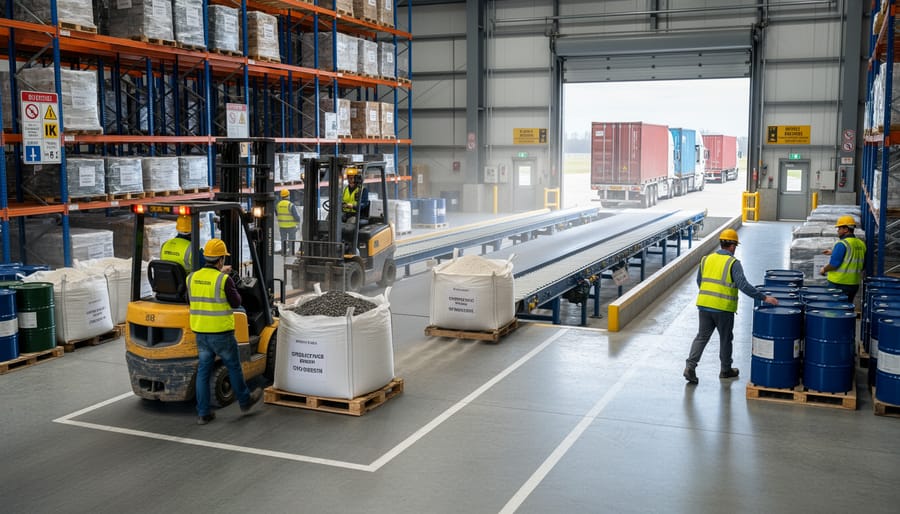
SAFE’s Center for Critical Minerals Strategy is described in the source material as the energy security group’s center for this topic. Its core focus is straightforward: it examines how mineral supply chains affect American competitiveness and national security. In other words, it treats the materials behind modern technology as a strategic question, not only a commercial one.
The center shares its thinking through several formats. It has held a briefing and panel discussion on the subject, which gives experts a way to compare perspectives in real time. It also publishes issue briefs, which are written analyses that distil a policy question into a form decision-makers and interested readers can work through. The “Retain, Recycle, Secure” brief covered later in this article is one example.
It helps to be clear about the context. SAFE is a US-based organisation, and its work is framed around American interests rather than European policy. That does not make it irrelevant to readers here. For European homeowners, businesses and industries invested in solar and storage, it offers a useful outside perspective on how a major economy is thinking about mineral supply, and the same raw materials move through global markets that Europe also relies on.
Reading the center’s output this way keeps expectations realistic. It informs the wider conversation without setting rules for European markets.
Inside the ‘Retain, Recycle, Secure’ Issue Brief
SAFE’s Center for Critical Minerals Strategy is behind an issue brief titled “Retain, Recycle, Secure: The Role and Limits of Export Restrictions.” According to the source material, the brief is launched with a webinar that has a stated start time of 10am ET. The source does not confirm the calendar date of that webinar, so it would be a mistake to assume the event is still ahead or already behind us. Anyone who wants to attend, or watch a recording if one exists, should check SAFE’s official channels for current scheduling.
What can we say about the brief from its title alone? Quite a bit about its framing, though nothing about its findings. The first idea is export restrictions, a policy tool in which a country limits how much of a material can leave its borders. The second is a pairing of two strategies, retaining materials within a market and recycling them from end-of-life products. Together, these suggest a broader conversation about keeping valuable resources circulating closer to home.
The word “limits” is worth noticing. Putting it next to “role” signals that the brief weighs what export restrictions can accomplish alongside where they fall short. In other words, the framing implies restrictions may not be a complete answer on their own. How the brief actually weighs these points, and what it recommends, is something only the document itself can tell you. We have not drawn on its contents here, so reading the brief directly is the best way to understand its conclusions.
For European readers following solar and storage supply chains, the title still offers a useful lens: resilience depends on more than any single policy lever.
Export Restrictions, Retention and Recycling: Plain-Language Policy Terms
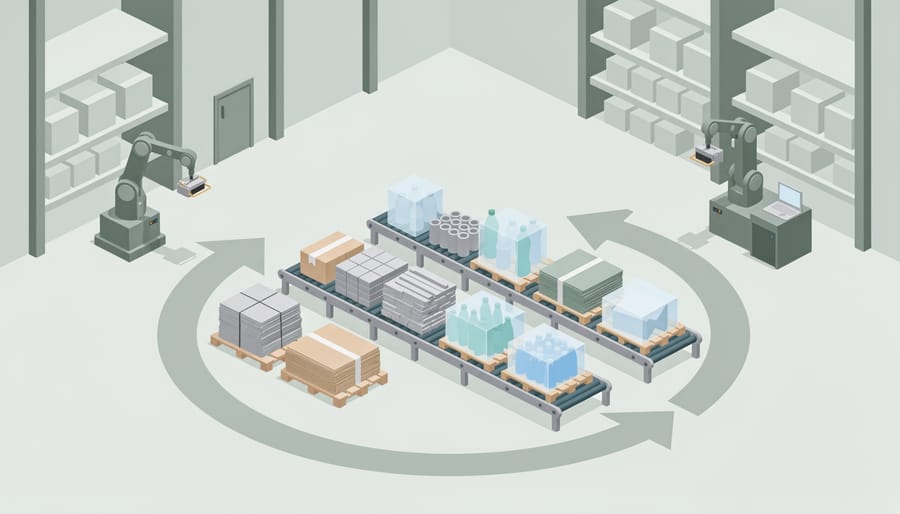
Policy conversations about mineral supply chains lean on a handful of terms that sound more complicated than they are. Understanding them helps when you read any brief on the topic, including the ideas signalled in the title of SAFE’s issue brief. The definitions below are general concepts, not claims about what the brief itself concludes.
- Export restrictions
- Limits a country places on shipping certain materials abroad, such as duties, licences or outright bans.
- Retention
- Keeping materials within a given market or economy so they stay available for local industry rather than leaving as raw inputs.
- Recycling
- Recovering useful materials from end-of-life products so they can re-enter the manufacturing chain.
- Supply chain security
- The ability to keep access to the materials and components an industry needs, even when markets or policies shift.
These ideas connect more closely than they first appear. A restriction on exports may encourage a market to keep materials at home, but retention only helps if there are ways to reuse what is already in circulation. That is where recovery comes in. Established practices such as solar recycling and battery recycling turn finished products back into a source of materials, which can ease pressure on primary supply over time.
No single tool solves everything, which is why policy discussions tend to weigh several together.
Why Mineral Supply Chains Matter for European Solar and Storage
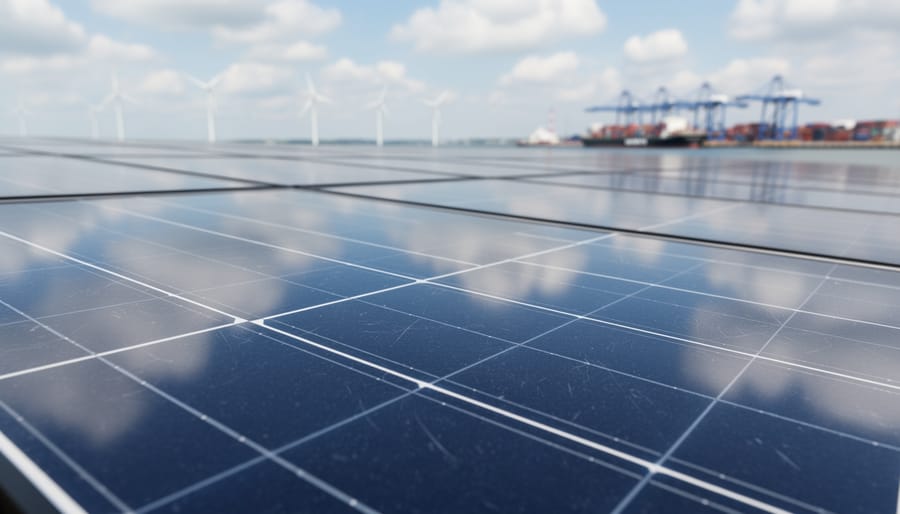
Solar panels and home batteries are built from a wide range of raw materials, and that makes mineral supply chains a practical concern for anyone planning an installation in Europe. The discussion around critical minerals strategy shows why: how materials are sourced, retained and recycled can shape long-term efficiency, cost stability and sustainability for households and businesses alike. If you want a closer look at the materials involved, this overview of solar raw materials is a helpful starting point.
For European buyers, the impact is concrete. A resilient supply chain supports steadier availability of components, which in turn supports more predictable project planning and pricing over time. Recycling adds another layer of resilience. Recovering materials from end-of-life panels and batteries keeps valuable resources in use, reduces pressure on new extraction and fits neatly with the continent’s sustainability goals. Responsible sourcing completes the picture by helping ensure that the energy transition rests on materials gathered with care for people and the environment.
None of this means policy shifts will change a rooftop system overnight. The effects tend to unfold gradually, which is why a long-term view serves buyers best. Choosing a partner who understands the full chain makes that view easier to act on. INOX Solar offers comprehensive project support, from research and development through logistics and project management, so customers can plan with confidence rather than navigate sourcing questions alone. That end-to-end approach helps European homes, businesses and industries invest in solar with a clear eye on innovation, efficiency and lasting value.
How to Follow Critical Minerals Policy Without Getting Lost
Policy news moves fast, and secondhand summaries often blur the details. A few habits keep you grounded.
Start with primary sources. If you want to know what an organisation like SAFE has said, read its own publications and event pages rather than a social post that paraphrases them. The same goes for dates: confirm any webinar or briefing time directly with the host, because reposts can circulate long after an event has passed.
Next, separate proposals from adopted rules. A brief that explores the role and limits of export restrictions is analysis. It is not law. Ask whether a measure has actually been enacted, by whom, and when it takes effect.
Then think about reach. A decision made in one region can ripple through global supply chains, so a US-focused discussion may still matter to European buyers over time.
Finally, ask a practical question: what could this mean for panel and battery availability in the long run? Most policy shifts work slowly through manufacturing and sourcing, so expect gradual effects rather than overnight changes. That patient, source-first approach is the best way to follow critical minerals policy without getting lost.
Common Questions About Critical Minerals Strategy
What is SAFE’s Center for Critical Minerals Strategy?
It is the energy security group’s center focused on how mineral supply chains affect American competitiveness and national security. It has examined the topic through briefings and panel discussions.
What is the “Retain, Recycle, Secure” issue brief?
It is a new issue brief titled “Retain, Recycle, Secure: The Role and Limits of Export Restrictions.” A webinar with a 10am ET start was announced to launch it, but the brief’s findings aren’t covered here.
Where can readers confirm the webinar date?
The source we reviewed gives only the start time, not a calendar date. Check SAFE’s official channels for current scheduling before planning around it.
Does this US-focused work affect European solar buyers?
It offers an outside perspective rather than European policy. Still, solar panels and batteries rely on global supply chains, so shifts in mineral sourcing, recycling and trade policy can influence long-term availability and cost stability.
Taken together, these answers show why the topic deserves steady attention rather than headline-chasing. The questions that matter most are practical ones: who is publishing the analysis, what it actually claims, and how it might shape the materials behind clean energy over time.
The Critical Minerals Strategy conversation ties together three things that rarely get discussed in the same breath: supply chain security, recycling and policy. SAFE’s brief, “Retain, Recycle, Secure: The Role and Limits of Export Restrictions,” looks at both the role and the limits of export restrictions as a tool, which is a useful reminder that no single measure solves the whole problem. Because the webinar details we have don’t confirm a calendar date, check SAFE’s official channels directly for current scheduling before you plan around any event.
For Europe’s solar future, the encouraging part is that progress doesn’t depend on one lever. Innovation in panel and battery design, stronger recycling and more responsible sourcing all point toward greater efficiency and sustainability over time. INOX Solar supports customers end to end, from research and development through logistics and project management, so your project stays on solid footing as the landscape evolves.
Leave a Reply