Solar-Powered Water Purification: How Hybrid Systems Transform Tap Water into Premium Quality
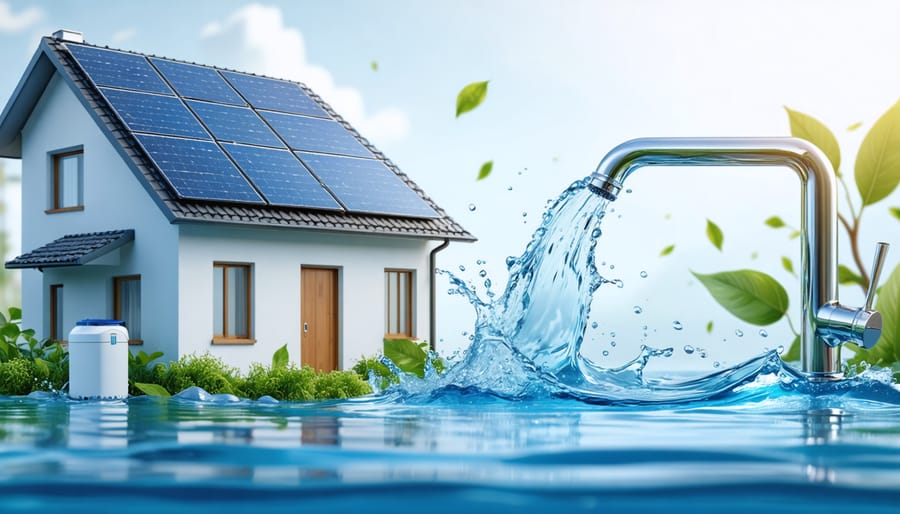
Transform your home’s water quality with an integrated hybrid water softener and filtration system – a revolutionary advancement in solar-powered water treatment solutions. This dual-action technology effectively removes both hard water minerals and harmful contaminants through a single, efficient process, delivering comprehensive water purification for every tap in your home.
Modern hybrid systems combine ion-exchange softening with advanced carbon filtration, eliminating up to 99.9% of common water impurities while reducing scale buildup in pipes and appliances. The integration of smart monitoring technology enables precise control over water quality parameters, adapting treatment levels automatically based on your household’s unique water composition and usage patterns.
European households increasingly embrace these innovative systems for their remarkable efficiency and sustainability benefits. By consolidating multiple water treatment processes into one cohesive unit, hybrid systems minimize maintenance requirements, reduce salt consumption by up to 50%, and significantly lower operating costs compared to traditional separate systems.
This sophisticated approach to water treatment represents the future of residential water management, offering unparalleled water quality while supporting environmental sustainability through reduced waste and energy consumption.
Understanding Hybrid Water Treatment Systems
Components and Integration
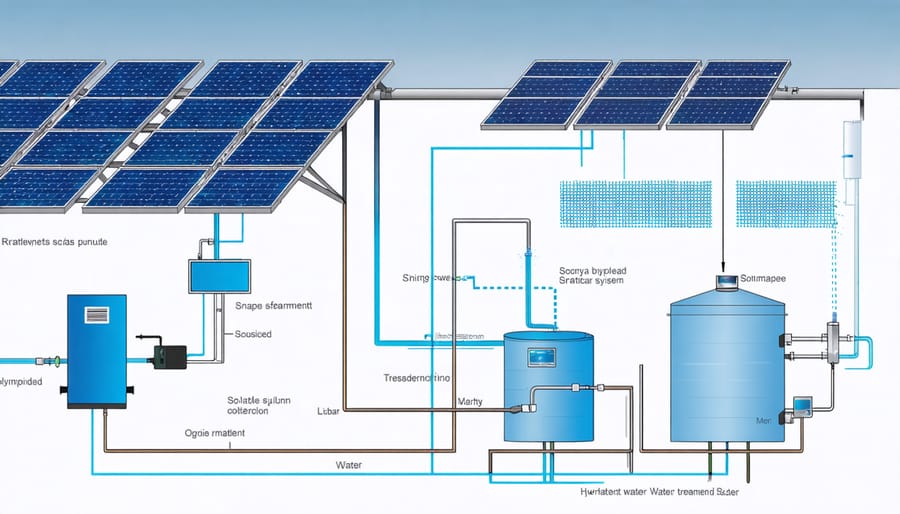
A modern hybrid water softener/filtration system combines multiple treatment technologies into a cohesive unit, similar to how hybrid solar systems integrate different energy solutions. The primary components include an ion-exchange softening chamber, activated carbon filtration unit, and a smart control valve system. The ion-exchange unit contains resin beads that trap calcium and magnesium ions, while the carbon filtration stage removes chlorine, organic compounds, and unwanted tastes or odours.
These components work in sequence, with water first passing through the softening chamber before entering the filtration stage. An automated control valve manages the flow between components and initiates regeneration cycles when needed. Advanced models incorporate electronic monitoring systems that track water usage patterns and quality parameters, optimising system performance and efficiency.
The integration of these components is carefully engineered to ensure seamless operation while maintaining optimal water pressure throughout the system. Many contemporary systems also feature bypass valves for maintenance flexibility and digital displays for real-time performance monitoring.
Solar Power Integration
The integration of solar power into hybrid water softener/filtration systems represents a significant advancement in sustainable water treatment technology. These systems utilize photovoltaic panels to generate clean electricity, powering both the water softening process and filtration mechanisms. A typical installation includes solar panels connected to a smart controller that optimises energy usage throughout the day.
During peak sunlight hours, the system operates at maximum efficiency, storing excess energy in compact batteries for nighttime or low-light operation. This setup ensures continuous water treatment while minimising grid electricity consumption. Modern systems typically require between 200-400 watts of power, which can be easily supplied by a modest solar array.
The energy efficiency benefits are substantial, with most installations reducing operational costs by 60-80% compared to traditional grid-powered systems. Smart monitoring features automatically adjust power consumption based on water usage patterns, further optimising energy utilisation. For European households, this translates to significant savings, particularly in regions with high electricity rates.
Additionally, many European countries offer incentives for solar-powered water treatment systems, making the initial investment more attractive while contributing to regional sustainability goals.
Advanced Water Treatment Technologies
Softening Technology
Modern water softening technology primarily relies on ion exchange, a sophisticated process that effectively removes hardness-causing minerals from water. In this process, calcium and magnesium ions, responsible for scale buildup, are exchanged with sodium or potassium ions through a bed of specially engineered resin beads.
The innovation in hybrid systems comes from combining traditional ion exchange with smart regeneration technology. These systems monitor water usage patterns and actual hardness levels, initiating regeneration cycles only when necessary. This intelligent approach significantly reduces salt and water consumption compared to conventional time-based systems.
Recent advancements have introduced variable-capacity systems that adjust their operation based on incoming water hardness and household demand. Some cutting-edge models incorporate flow sensors and digital controls, enabling precise metering and efficient resource utilisation. These features are particularly valuable in European regions where water conservation is increasingly important.
The softening process in hybrid systems is further enhanced by pre-filtration stages that protect the resin bed from sediment and extend its operational life. Many systems now use high-capacity resins that offer superior hardness removal while requiring less frequent regeneration. This technological evolution has made water softening more sustainable and environmentally responsible, aligning with European environmental standards and energy efficiency goals.
Filtration Systems
Modern hybrid water softener/filtration systems employ sophisticated multi-stage filtration processes to deliver comprehensive water treatment. The primary filtration system typically begins with a sediment pre-filter that removes larger particles, sand, and debris, protecting subsequent filtration stages and extending the system’s lifespan.
Following the pre-filtration stage, water passes through activated carbon filters, which effectively remove chlorine, organic compounds, and unpleasant tastes and odours. This stage is particularly crucial for European households dealing with municipal water supplies that may contain higher chlorine levels.
The advanced filtration process often incorporates specialised media filters that target specific contaminants. These may include catalytic carbon for chloramine reduction, KDF media for heavy metal removal, and bacteriostatic filters that inhibit bacterial growth. Many systems also feature innovative reverse osmosis membranes, capable of removing dissolved solids, including harmful contaminants down to 0.001 microns.
The final polishing stage typically includes a post-filter that ensures the highest water quality before distribution throughout the property. Modern systems often incorporate smart monitoring technology that tracks filter performance and alerts users when maintenance is required, ensuring optimal filtration efficiency.
This comprehensive filtration approach, combined with water softening capabilities, provides a complete solution for both water quality and hardness issues, meeting strict European water quality standards while maintaining optimal system performance.

Environmental and Economic Benefits
Energy Efficiency
Hybrid water softener/filtration systems integrated with solar power offer significant advantages in energy efficiency and environmental sustainability. These innovative systems consume up to 50% less electricity compared to traditional water treatment units, primarily due to their smart regeneration cycles and optimized operation schedules. When coupled with solar power and energy storage benefits, these systems can operate almost entirely off-grid, substantially reducing household energy costs and carbon emissions.
The system’s intelligent controller maximizes efficiency by initiating regeneration cycles only when necessary, rather than on a fixed schedule. This demand-based operation not only conserves energy but also extends the life of filtration media and reduces water waste. Additionally, the integration of high-efficiency motors and energy-recovering components ensures minimal power consumption during water treatment processes.
For European households, this translates to an average reduction of 200-300 kWh in annual energy consumption, contributing to both environmental sustainability goals and compliance with EU energy efficiency directives. The system’s reduced carbon footprint aligns perfectly with Europe’s commitment to climate action while providing substantial long-term cost savings for users.
Cost Analysis
Installing a hybrid water softener/filtration system represents a significant initial investment, typically ranging from €2,000 to €4,000, but the long-term financial benefits are substantial. Homeowners can expect to recover their investment within 4-6 years through various cost reductions. Energy consumption decreases by approximately 25-30% as appliances operate more efficiently without scale buildup. Water usage typically reduces by 15-20%, translating to lower utility bills.
The system’s dual functionality eliminates the need for separate water treatment solutions, saving approximately €1,000 in equipment costs. Maintenance expenses are notably lower compared to traditional systems, requiring service only once every 18-24 months. The extended lifespan of household appliances, typically increased by 30-40%, contributes significantly to the overall savings.
When factoring in reduced detergent usage (20-25% less), decreased maintenance costs, and longer appliance life, the average European household saves €400-600 annually. For businesses, these savings can scale up considerably depending on water usage volumes and operational requirements.
Implementation in European Markets
Regulatory Compliance
Hybrid water softener/filtration systems in Europe must comply with stringent regulatory standards to ensure water quality and safety. The European Union’s Drinking Water Directive (98/83/EC) sets comprehensive requirements for water treatment systems, establishing minimum quality standards for water intended for human consumption.
Key certifications include the CE marking, which demonstrates compliance with EU health, safety, and environmental protection standards. The NSF/ANSI certifications, while originating from the United States, are also widely recognized and respected in European markets, particularly NSF/ANSI 44 for water softeners and NSF/ANSI 53 for filtration systems.
Systems must also align with European building integration standards and local plumbing regulations. The DIN 1988 standard, particularly relevant in German-speaking countries, provides specific guidelines for drinking water installation systems.
Materials used in these systems must comply with the European Acceptance Scheme (EAS) for construction products in contact with drinking water. Additionally, the systems should meet the EN 14743 standard for water conditioning equipment inside buildings and the EN 15848 standard for water-conditioning equipment for drinking water applications.
Regular testing and documentation of compliance are essential for maintaining certification and ensuring ongoing operational effectiveness within European regulatory frameworks.
Installation and Support
Professional installation of a hybrid water softener/filtration system is crucial for optimal performance and longevity. While some basic models offer DIY options, we strongly recommend expert installation for integrated systems, particularly those with advanced features or solar connectivity. Certified technicians ensure proper connection to your home’s plumbing system, correct programming of electronic components, and seamless integration with existing water infrastructure.
Installation typically takes 2-4 hours and includes comprehensive system testing, water quality assessment, and personalised settings configuration. Our network of certified installers across Europe provides detailed site evaluation before installation, ensuring your system meets local water regulations and building codes.
Post-installation support includes regular maintenance checks, typically scheduled every 6-12 months. These service visits cover filter replacement, salt level monitoring, system sanitisation, and performance optimization. Modern systems feature smart monitoring capabilities that alert you when maintenance is needed or if system parameters require adjustment.
For ongoing maintenance, you’ll need to:
– Check salt levels monthly
– Replace pre-filters every 3-6 months
– Monitor system performance via the control panel
– Schedule annual professional inspections
– Clean the brine tank yearly
Most manufacturers offer comprehensive warranty packages, typically ranging from 5-10 years for major components. Extended service plans are available, providing peace of mind with priority technical support and discounted replacement parts.
Hybrid water softener/filtration systems represent a significant advancement in comprehensive water treatment technology, offering European households and businesses an efficient solution to multiple water quality challenges. By combining the benefits of traditional water softening with advanced filtration capabilities, these systems deliver exceptional value through their multifaceted approach to water treatment.
The integration of these technologies not only provides superior water quality but also offers considerable cost savings through reduced maintenance requirements and improved energy efficiency. European customers particularly appreciate the systems’ ability to address regional water quality variations while maintaining compliance with strict EU water treatment standards.
Looking ahead, the future of hybrid water treatment systems appears promising, with ongoing innovations focusing on smart technology integration and enhanced sustainability features. Manufacturers are developing more energy-efficient models with improved water conservation capabilities, addressing growing environmental concerns across Europe. The integration of IoT capabilities enables remote monitoring and predictive maintenance, making these systems increasingly attractive for modern homes and businesses.
As water quality concerns continue to evolve and environmental regulations become more stringent, hybrid systems are well-positioned to meet these challenges. Their adaptability and comprehensive treatment approach make them an intelligent investment for those seeking long-term water quality solutions. The combination of traditional softening methods with advanced filtration technology creates a robust foundation for future innovations in water treatment, ensuring clean, soft water for generations to come.
Leave a Reply